
Why Choose Us?
Reliable Product Quality
Since its establishment in 1994, it has been the constant pursuit of the company to produce the floor mat products with superior performance and environmental protection.
Professional Technical Team
ALL MATS is dedicated to being an expert in solving various ground problems. From anti fatigue mats for solving standing fatigue, to door mats for maintaining indoor cleanliness, and to sports mats for quietness and cushioning.
Wide Product Range
Along the way, ALL MATS concentrates on manufacturing. At present, it has 412 product patents, and its products are sold to 62 countries and regions.
Excellent Customer Service
We offer excellent customer service, including after-sales service and technical support, to ensure that their customers are satisfied.
What is Industrial Safety Mat?
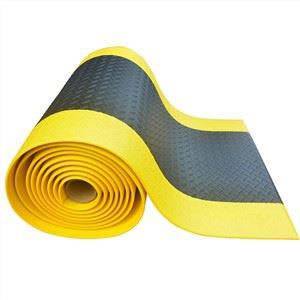
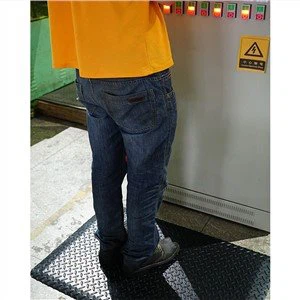
Industrial safety mats are essential for creating a safe work environment in industrial settings. These specialized mats help to reduce the risk of slips, trips, and falls in areas where workers are exposed to potential hazards. They are designed to withstand heavy usage and provide a comfortable standing surface for employees who work long hours on their feet.
-

Economic Anti-fatigue Mat
Cost effective anti-fatigue mat. Material: PVC. Color: Black, Grey, with yellow border. Thickness: 9.5+/-1mm; 12.5+/-1mm. Add to Inquiry -
Dual Anti-fatigue Mat
Two layer construction,exceptional performance. Material: PVC . Size: 0.6x0.9m / 0.9x1.5m . Thickness: 12mm /15mm . Add to Inquiry -
Durable Anti-fatigue Mat
Hardwearing surface provides comfort and grip. Material: PVC. Thickness: 9.5+/-1mm, 12.5+/-1mm, 15+/-1mm. Texture: Pebble, Diamond, Marble, Pyramid, Tire, Ribbed. Add to Inquiry -
Assembly Line Anti-fatigue Mat
Long-wearing is ideal for high-traffic places. Material: PVC. Size: 0.6x18m/0.9x18m/1.2x18m. Thickness: 12mm /15mm Add to Inquiry -
RBF Anti-fatigue Mat
100% eco-friendly and recyclable materials.. Lightweight, making it easier to move and transport.. Material: PVC+PU. Color: Black, Grey, with yellow border. Size: 51*60cm,51*100cm,51*180cm. Add to Inquiry -
ESD Anti-fatigue Mat
Static-dissipative anti-fatigue mat. Material: PVC . Size: 0.6x0.9m/0.9x1.5m/0.6x18m/0.9x18m/1.2x18m. Texture:Diamond. Add to Inquiry -
Oil-resistant Mat
Resistant to oil, water, chemical spillage. Material: PVC. Size: 0.6x0.9m / 0.9x1.5m /0.6x18m/0.9x18m/1.2x18m. Thickness: 12mm/15mm. Texture: Pyramid. Add to Inquiry -
Modular Anit-fatigue Mat
Tile system interlocks for easy installation.. Made from premium, high-density PVC foam. Provide superb comfort, resulting in enhanced employee productivity. Add to Inquiry -
Check-in/Reception Anti-fatigue mat
Combines elegance with practicality. . Customer sizes, slip-resistant backing, and fire-rated materials ensure durability and compliance, making them ideal for any high-traffic hotel entrance.. Add to Inquiry -
Office Anti-fatigue Mat
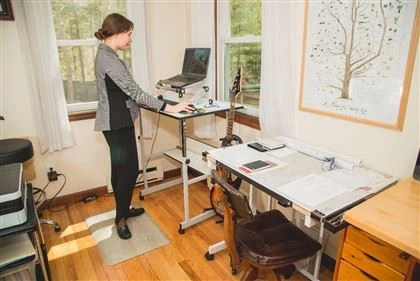
Suitable for long standing places.. Relieve the pain and fatigue of standing for a long time.. Material: PVC. Size: 50x76cm . Thickness: 20mm . Add to Inquiry -
Anti-slip Mesh
Economic Non-slip Mesh Enhance grip for floor, shelf and trays Easy to cut and install. . Material: PVC . Size: 0.6X1.2m/ 0.6x10m . Thickness: 3mm. Add to Inquiry -
Knee Mat
Ideal pad for kneeling jobs . Reduce knee pain and lower back stress caused by regular kneeling.. Material: NBR . Size: 53X36cm . Thickness: 25mm . Weight: 0.45kg. Add to Inquiry






Advantages of Industrial Safety Mat
Improved Safety
One of the most significant benefits of using safety mats in construction equipment is improved safety. Construction sites can be dangerous places, and the use of sensor mats can help reduce the risk of accidents. For example, sensor mats can detect when a construction vehicle is overloaded or unbalanced, which can help prevent tipping or other accidents. Additionally, sensor mats can detect when a worker is in the vicinity of a moving vehicle, alerting the operator to slow down or stop to avoid a potential collision.
Reduced Maintenance Costs
Another significant benefit of using safety mats in construction equipment is reduced maintenance costs. Sensor mats can detect when parts of a machine are wearing out or when maintenance is required, allowing for preventative maintenance to be performed before more significant and expensive issues occur. This can help extend the lifespan of the equipment and reduce overall maintenance costs over time.
Improved Efficiency
Using safety mats in construction equipment can also help improve efficiency on job sites. For example, sensor mats can detect when equipment is being underutilised, allowing managers to optimize equipment usage and improve productivity. Additionally, sensor mats can detect when equipment is being overused, alerting managers to potential issues that could cause downtime or require costly repairs.
Improved Environmental Performance
Using safety mats in construction equipment can also help improve environmental performance. For example, sensor mats can detect when equipment is emitting excessive amounts of pollutants, allowing managers to take corrective action to reduce emissions. Additionally, sensor mats can detect changes in ground conditions, which can impact erosion and other environmental factors.
Improved Operator Performance
By installing sensor mats in the cab of machines, operators can receive feedback on their behavior and performance. For example, sensor mats can detect when an operator is not using the machine in an optimal way, such as driving too fast or operating the machine outside of its recommended parameters. This can help operators adjust their behavior to improve machine performance and reduce the risk of accidents.
Reduced Operator Fatigue
Sensor mats can also detect when an operator is becoming fatigued, helping to reduce the risk of accidents caused by tiredness. By detecting changes in pressure or movements that indicate fatigue, sensor mats can alert operators to take a break or rest, ultimately improving safety on construction sites.
Improved Machine Performance
Sensor mats installed in the cab of machines can also detect changes in machine performance, alerting operators to potential issues before they become more significant problems. For example, sensor mats can detect when parts are beginning to wear out, indicating that maintenance is required. By addressing these issues promptly, machine performance can be improved, and downtime can be reduced.
Real-Time Data
Like sensor mats installed inside construction plant equipment, sensor mats in the cab of machines can provide real-time data that can help managers make informed decisions about equipment usage and maintenance. This data can be used to optimize machine usage, reduce costs, and improve overall project outcomes.
Types of Industrial Safety Mat
Ironhorse Mats
Over two-thirds of all moisture, dirt and grime that enters your premises is carried in by shoes. This not only makes cleaning an ever-ending expensive task, but accelerates the wear and tear on floor coverings, resulting in unsightly floors and costly repairs and maintenance.
Anti Fatigue Mats
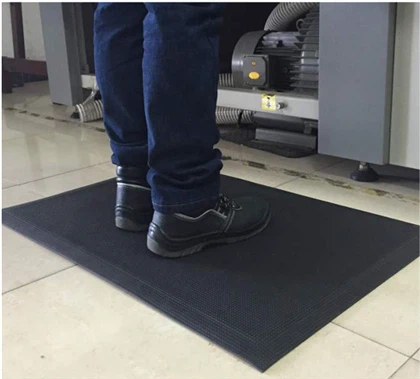
This innovative mat has unique cushion and ergonomic properties which reduce fatigue and noise. It is specially designed for safety, comfort and protection in areas where people stand for prolonged periods, such as production lines or in shops and bars.
Logo Floor Mats
Personalised logo mats are made specifically to incorporate your logo, marketing message or other company message. Having personalised floor mats for your business is also a great way to welcome your clients and make a positive first impression from your brand. They are available in various sizes and in a vast range of colours, so we will certainly be able to match your corporate identity.
Safety Message Mats
Promote safety in your business with a safety-message mat. Staff need to be constantly reminded of your safety policies, so it becomes just as important to them. Having a safety message mat will ensure your workplace is kept safer and less prone to accidents.

Application of Industrial Safety Mat
01/
Workbenches
Spending the day standing at a workbench can wreak havoc on our bodies, from fatigue to serious health issues. Placing an anti-fatigue mat on the floor can help to increase worker productivity, promote good posture, prevent joint stiffness, reduce the occurrence of headaches, reduce unnecessary energy use, reduce lower back pain, and more!
02/
Sorting & Packing
Workers who are involved in the sorting and packing area of an industrial workplace are also often required to be on their feet for a large part of the day. This sort of work already puts quite a heavy burden on the body, so lessening this wear possible is a must. The cushioned rubber surface of anti-fatigue safety mats reduces the pressure placed on the feet.
03/
Welding
The practice of welding poses its own set of risks and hazards, from floor damage to sparks causing fires. With industrial mats that have been specifically designed for such functions, you can prevent these risks from getting out of control. They are resistant to welding sparks, grease, oil and chemicals as well as relieving strain on the legs.
04/
Assembly Lines
Although many assembly lines now allow workers to sit down as they work, some still utilise the more traditional setup that sees workers standing up. The use of appropriate safety matting will not only increase productivity, it will help to prevent many of the health issues associated withstanding for prolonged periods – which we’ve mentioned above.
05/
Spray Booths
One of the main hazards posed by a spray booth is the risk of slipping in the liquid that is being used. Slipping can lead to serious injury in the wrong circumstances, so it’s important that this hazard is avoided at all costs. Non-slip industrial mats are perfect for such situations, as they absorb liquid or allow it to flow through.
06/
Machinery
The machinery used in the industrial sector is known for being messy. From oil and grease to a wealth of fuels and chemicals, there are all sorts of liquids that could be leaking from the machines. Industrial safety mats that are resistant to these substances, as well as provide a non-slip surface, are a must for ensuring the safety of workers in these areas.
Driving Forces Of The Industrial Safety Mat Market

Technological Advancements
Continuous innovations in technology enhance the efficiency and effectiveness of Industrial Safety Mat products and services, including advancements in materials, manufacturing processes, and digital technologies.
Growing Demand
Increasing demand for Industrial Safety Mat products and services, fueled by factors such as population growth, urbanization, and changing consumer preferences, is a significant driver for market expansion.
Regulatory Support
Favorable government policies, regulations, and incentives promoting the use of Industrial Safety Mat, such as subsidies for renewable energy projects and carbon pricing mechanisms, stimulate market growth.
Environmental Awareness
Rising awareness about environmental sustainability and the need to reduce carbon emissions drives the adoption of eco-friendly and renewable Industrial Safety Mat solutions.
Cost Reduction
Ongoing cost reductions in Industrial Safety Mat production and installation, driven by economies of scale, technological advancements, and increased competition, make these solutions more affordable and accessible.
When to Replace Your Industrial Safety Mats
There’s Little Or No Traction
While industrial safety mats are important for preventing dirt and moisture from entering your floors, they’re also designed to protect your employees and customers from slipping and falling. Your business has thousands of people moving in and out each daily, and there is a chance for your industrial safety mats to quickly become worn down in a matter of years. If your industrial safety mats no longer have much texture left, then it's time for a suitable replacement.
When The Edges Begin To Curl
Another obvious sign of overuse is curling around the edges. Not only do these minor flaws make your floor look less than stellar, they also pose the danger of trips and falls.
When They Become Harder To Clean
Most industrial safety mats require a weekly deep vacuum cleaning. Outdoor industrial safety mats and dirt scrapers may also require pressure treatment very often. When this regular cleaning time takes longer and dirt accumulation becomes more making them impossible to remove, it’s time to get new mats from your supplier.
Not Comfortable Anymore
The main point of using anti-fatigue mats is to ensure comfort for people who are working on their feet for long hours. When this level of ‘comfort’ is no longer met, it’s time to give your mat supplier a call and get your mats replaced.
5 Ways Industrial Safety Mats Create a Safe Work Environment
Industrial Safety Mats with Drainage Capabilities Can Reduce Slippery Conditions
Slippery working and walking surfaces cause the slips and trips that cost businesses billions. The best floor mats for wet areas aren’t just non-slip; They also have drainage capabilities. Slippery conditions can result from spilling water and other fluids, like oil-based substances and lubricants. Drainage mats are ideal for kitchens or anywhere with moisture build-up, like pools. Industrial safety mats made of grease-proof and chemical-resistant rubber can withstand many environments, and many are even safe for welding.
Runner Mats Create a Safe Work Environment For Employees & Vendors On the Move – & Protect Floors
Floor safety mats protect your employees from potentially hazardous working conditions and can help avoid costly repairs. Runner mats are manufacturing floor mats that help maintain a safe work environment by providing long stretches of ideal walking conditions. Anti-slip rubber is resistant to most chemicals and can be used on the manufacturing floor. These safety floor mats make it easy to add traction to walkways and inclined surfaces where slipping is likely.
The Right Industrial Safety Matting Provides Protection From Electricity
Protect employees and sensitive equipment with conductive and non-conductive safety floor mats. ESD switchboard mats discharge static electricity with the correct equipment and a trained operator. You should choose a industrial safety mat with a diamond plate pattern if you are looking for industrial safety matting that insulates against voltage.
Anti-Fatigue Mats Help Your Employees & Boost Productivity
The right anti-fatigue mat allows longer periods of standing, with less reported aching and strain. Studies show significantly improved outcomes with workplace mats designed for comfort and support. industrial safety mats with anti-fatigue properties encourage more movement in the body, promoting energizing blood flow throughout the legs. Employees will be more comfortable and productive with less pain and soreness.
Entrance Mats Look Attractive & Reduce Slipping Hazards
Employees and visitors alike benefit from anti-slip mats in potentially wet areas, including outdoor-to-indoor spaces. Outdoor entrance mats don’t just enhance the look of your business’ entryway; They also reduce tripping and slipping hazards by helping keep the elements of nature outside.
How to Choose Your Industrial Safety Mat
The Purpose Of Your Mat
What is the primary purpose of your industrial safety mat? This will be the number one problem you want your mat to solve. Unsurprisingly, the anti-fatigue benefits of the mat are often the most important to many people. If you have employees that spend extended periods standing to do their jobs and have even noticed absences or health concerns due to these positions, then you’ll want a mat with anti-fatigue properties. Alternatively, you may simply want to make the work environment safer with anti-slip or protective properties. These are especially important for more specialised work environments that may be dealing with dangerous liquids or materials. In such areas, you’re at a higher risk of accidents including slipping.
The Work Environment
To make sure you choose an industrial safety mat that is up the job, you’ll need to match it carefully to your environment. A mat made from the wrong materials or not suited to handling your environment can be even more dangerous than having no mat at all. You’ll need to consider whether the work environment regularly handles liquids, oils, grease or chemicals. If not, look out for industrial safety mats that are designed for dry areas. If the environment does handle these materials, make sure you choose a mat that is designed for wet environments or specially designed to be resistant to oils, grease and chemicals.
Special Requirements
As well as liquids and chemicals, are there any other unique requirements that are very specific to the job your mat will be supporting? You can find a wide variety of industrial safety mats that are fire resistant, insulated, isolative or anti-microbial. There are even mats designed specifically for welding, so think carefully about the job role and what special requirements you might need your anti-fatigue to assist with.
Intensity Of Use
You’ll find a range of mats from light to heavy duty that are designed to handle different usage. Choosing a mat that is designed to handle lighter usage when you have heavy duty demands will cause wear and tear that could damage the mat and make it less suitable for the job. On the other hand, selecting a heavy-duty mat when you don’t need one could cost you more money for no reason. Here’s a brief guide to the three main usage types.
Mat Sizes
The last thing you’ll need to decide is how much you need and the best format for your workspace. You can choose mats in either linear meter or in a modular format. If you’ll be using your industrial safety mats in walkways or along assembly-line layouts, then a linear solution will be most suitable. Similarly, for individual workstations, you can choose a linear meter or roll format. If, however, you have a more customised layout in your work area, then a modular system will let you fit and rearrange your mats to fit the floor space better. Don’t forget to look out for the handy icons displayed with each of our industrial safety mats to help you make the right choice.
How Does a Industrial Safety Mat Work?
Industrial safety mats can serve different purposes depending on their design and features. For example, anti-fatigue mats are designed to provide cushioning and support to employees who stand for long periods of time. In contrast, slip-resistant mats are designed to prevent slips and falls on wet or oily surfaces. Other types of industrial safety mats may be designed to provide electrical insulation or to be resistant to chemicals or fire. Also, they can be integrated with automated machinery to prevent accidents. For this purpose, pressure-sensitive mats are used that are controlled by an open switch. When the minimal pressure/weight exceeds, the switch closes and terminates the function of the electrical equipment in relation. This way the likelihood of fatal accidents and major injuries is controlled. Thus, industrial safety mats become a vital component of a safe and healthy workplace.
Care and Maintenance Tips for Industrial Safety Mats
Regular Professional Cleaning
You should clean your industrial safety mats on a regular basis. industrial safety mats are usually installed in large spaces, meaning that cleaning them is not easy. You can make a point of having them vacuumed and swept on a regular basis based on the working hours. But you should also hire a professional mat cleaning company to thoroughly launder your industrial mats from time to time. The professional mat cleaners will be able to clean your industrial mats more effectively than your janitors, which will ensure that your mats are effective in trapping dirty and grime.
Proper Handling & Storage
You should always ensure proper handling and storage of your industrial mats to avoid unnecessary damage. Make sure that your industrial mats are never folded, but rather rolled during storage or transportation. You should roll the mat compactly with the pile facing outwards. You should never crush the floor mat and you should always lay it down flat. Store the mat in a cool dry place.
Clean Under And Around The Mat Regularly
You can ensure the cleanliness of your industrial safety mats by cleaning the areas under and around the floor mats. There is bound to be dust and debris around the floor mat, especially if it’s an outdoor floor mat. But even with interior or indoor floor mats, people still scrape some dirt onto the floor. You should make a point of cleaning all these surrounding and underneath floor surfaces to ensure that the mat remains clean and the entire floor is spotless.
Replace Old Worn-Out Mats
You should inspect your industrial safety mats regularly for defects or damages. Check the edges closely for flaring. You should have all flared edges repaired or replaced immediately. And when your industrial safety mats are too old and worn-out to function, then you should have them replaced with new high quality ones.
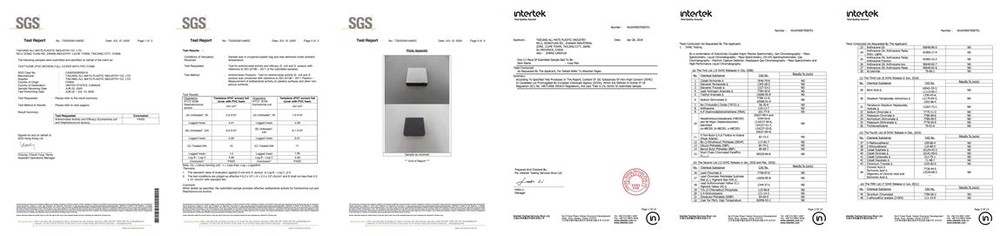
Our Certifications


Our Factory
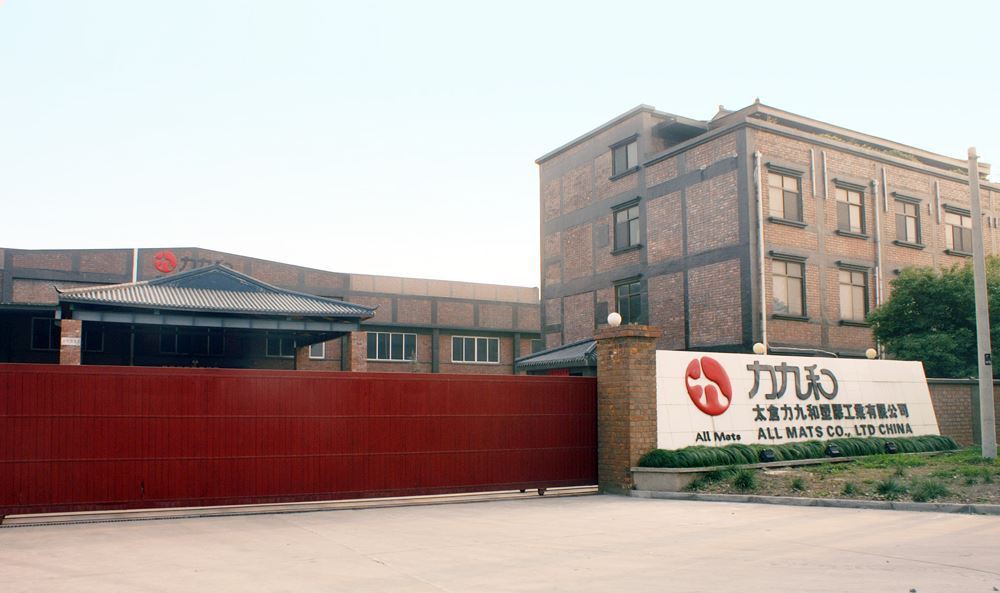
ALL MATS is dedicated to being an expert in solving various ground problems. Since its establishment in 1994, it has been the constant pursuit of the company to produce the floor mat products with superior performance and environmental protection. From anti fatigue mats for solving standing fatigue, to door mats for maintaining indoor cleanliness, and to sports mats for quietness and cushioning, all mats have the yearning for a better life.
Ultimate FAQ Guide to Industrial Safety Mat
We're well-known as one of the leading industrial safety mat manufacturers and suppliers in China. Please feel free to buy customized industrial safety mat at competitive price from our factory. For pricelist and quotation, contact us now.
