
Why Choose Us?
Reliable Product Quality
Since its establishment in 1994, it has been the constant pursuit of the company to produce the floor mat products with superior performance and environmental protection.
Professional Technical Team
ALL MATS is dedicated to being an expert in solving various ground problems. From anti fatigue mats for solving standing fatigue, to door mats for maintaining indoor cleanliness, and to sports mats for quietness and cushioning.
Wide Product Range
Along the way, ALL MATS concentrates on manufacturing. At present, it has 412 product patents, and its products are sold to 62 countries and regions.
Excellent Customer Service
We offer excellent customer service, including after-sales service and technical support, to ensure that their customers are satisfied.
What is Anti-Slip Mat?
A anti-slip mat is a rubber matting that is used to prevent slips, trips and falls in the workplace. Use of non-slip mats should be limited to situations in which the cause of the slipping hazard cannot be removed by other means. Typically, these types of mats are used in areas where liquid spills on floors during the work process are common.
-

Anti-slip Mesh
Economic Non-slip Mesh Enhance grip for floor, shelf and trays Easy to cut and install. . Material: Add to Inquiry -
Anti-slip Tape
Attention for Slip-Resistance . Self-adhesive backed floor tape . Provides additional grip Add to Inquiry


Advantages of Anti-Slip Mat
Comfort
Aside from the safety benefits of anti-slip mats, they may also increase comfort for your workers who spend a lot of time on their feet. Extended time spent standing can cause health problems such as lower back, neck, and leg pain, circulatory problems, and more. The US National Library of Medicine found that anti-fatigue mats and shoe inserts have been proven to help reduce lower back and leg pain in the workplace. Aside from a decrease in productivity due to employees’ discomfort, thousands of dollars every year are paid by companies for compensation claims for musculoskeletal discomfort. The simple implementation of anti-slip mats can save your employees the pain and save your business thousands.
Keeping the Outside Out
As we head into the winter season, more dirt, snow, and mud are bound to be tracked inside. Melted snow brought in can cause a serious slip hazard in your establishment if not prevented. Additionally, dirt and mud don’t just look bad but also raise health concerns inside your establishment. This can all be prevented by the implementation of anti-slip mats at the entrance of your building. These mats should be large enough to remove all dirt and debris on footwear and wheels entering the building.
Cleanliness and Safety
Anti-slip mats help prevent accidents in areas with high foot traffic or are wet or slippery. Hard flooring can be especially dangerous when it is wet outside or in an area with an active sink or faucet. A few drops of water on a slippery surface like tile flooring can give way to a serious fall. A recent report by the CDC found that 18% of nonfatal work injuries were due to slips, trips, and falls. Anti-slip mats keep your employees and customers safe by preventing them from injury.
Presentation
Aside from functionality, anti-slip mats can be an aesthetic touch too. In addition to keeping your staff safe, you can also display and advertise your business on the anti-slip mat. You can choose the color, style, and design of your mat that elevates the interior of your establishment. A custom welcome mat can leave a positive impression on your customers.
Application of Anti-Slip Mat
Home Entrances and Corridors
Anti-slip mats used in the entrances and corridors of houses prevent dust, dirt and moisture from entering from outside. They also provide a safe passage inside the home.
Kitchen and Bathroom
Anti-slip mats are preferred in kitchens and bathrooms to avoid slipping on wet floors. Thanks to their water absorption capacity, they provide a safe environment on wet floors.
Living Rooms
Adding elegance to living rooms with their aesthetic designs, anti-slip mats also help protect the floor.
Bedrooms
Anti-slip mats used in the bedroom keep feet in contact with the warm floor in the morning and help keep the floor clean.
Children's Rooms and Play Areas
Anti-slip mats used in children's rooms and playgrounds allow children to play safely and absorb impacts on the floor.


Workplace Entrances and Corridors
Anti-slip mats used in office entrances and corridors allow employees to move safely. They also maintain cleanliness inside the office.
Restaurants and Cafes
Anti-slip mats used in businesses such as restaurants or cafes allow customers to move around safely and maintain cleanliness in service areas.
Industrial Areas
Production facilities and industrial areas use anti-slip mats that provide safety and cleanliness under heavy traffic and harsh conditions.
Store Entrances
Anti-slip mats used at store entrances contribute to customers shopping comfortably and safely.
Pool and Beach Areas
Anti-slip mats are used to provide a safe passage on slippery floors in pool and beach areas.
Baths and Saunas
Anti-slip mats are used at the entrances of baths and saunas to provide a safe environment on wet floors.
Things to Consider When Choosing the Color of Anti-Slip Mat
Aesthetic Harmony
First of all, it is important that the anti-slip mat matches the decoration of the area where it will be used. The color of the mat should be compatible with the general color palette of the space and create an aesthetic integrity. However, it is important not to ignore the functional features while ensuring aesthetic harmony.
Practical Cleaning
Light colored mats can often show stains and dirt more. Therefore, you should consider the need for practical cleaning in the area of use. If the mat will be used in a high-traffic area or will be exposed to dirt and stains brought in from outside, a darker colored mat may be preferable.
Traffic Intensity
The traffic density of the area to be used can have an impact on the color of the mat. In high-traffic areas, dark-colored mats usually show less dirt and maintain their clean appearance for a long time.
Color Selection and Safety
Color choice is more than just an aesthetic choice; it is also linked to safety. Anti-slip mats, which are used to reduce the risk of slipperiness, especially on wet floors, can support this safety feature with color selection. Dark colored mats can increase safety by showing less wetness.
Intended Use of the Area
The purpose of the area to be used also affects the choice of color. For example, mats to be used in office entrances or hotels can generally be stylish and light-colored, while mats to be used in an industrial area can be darker and dirt-resistant.
Color Psychology
It is also important to consider the psychological effects of colors. For example, light colors often create a feeling of spaciousness and expansiveness, while dark colors can give a feeling of warmth and confidence. It is important to think about the psychology of color in terms of how you want the user to feel the atmosphere of the space.
How to Use Anti-Slip Mats to Prevent Falls
Identify Areas Where Anti-Slip Mats Are Needed
Anti-slip mats can be placed in a variety of areas in the home, including the kitchen, bathroom, and entryway. These are areas where water or other liquids may be present, increasing the risk of slipping and falling. Look for areas where surfaces are slippery or uneven, and consider placing a anti-slip mat in those areas.
Choose the Right Type of Anti-Slip Mat
There are many different types of anti-slip mats available, so it’s important to choose the right type for your needs. Look for mats that are made from slip-resistant materials, such as rubber or silicone, and that have a textured surface to provide additional traction. Also, make sure that the mat is the appropriate size for the area where it will be placed.
Clean the Surface Before Placing the Mat
Before placing a anti-slip mat, make sure to clean the surface where it will be placed. This will ensure that the mat adheres properly and will not slide around. Use a cleaning solution that is appropriate for the surface, and allow it to dry completely before placing the mat.
Place the Mat in the Appropriate Location
Once the surface is clean and dry, place the anti-slip mat in the appropriate location. Make sure that the mat is positioned securely and that it is not folded or wrinkled. If necessary, use adhesive strips or suction cups to ensure that the mat stays in place.
Check the Mat Regularly
Over time, anti-slip mats may become worn or lose their slip-resistant properties. It’s important to check the mat regularly to ensure that it is still effective in preventing falls. If the mat becomes worn or damaged, replace it immediately.
Consider Additional Safety Measures
Anti-slip mats are just one of many ways to prevent falls in the home. Other safety measures include installing handrails and grab bars, removing clutter from walkways, and improving lighting in dimly lit areas. By taking a comprehensive approach to fall prevention, you can reduce your risk of falling and stay safe and healthy as you age.
Use Anti-Slip Mats Outside
In addition to using anti-slip mats inside the house, it is also important to use them outside, especially in areas with high foot traffic such as the entrance to the house. Outdoor anti-slip mats made of weather-resistant materials will provide traction and prevent slips and falls even in wet conditions.
Precautions to be Taken for Long-term Use of Anti-Slip Matting
1
Regular Cleaning: Dust, dirt and moisture accumulated on the surface of the anti-slip mat can affect the performance of the mat. It is therefore important to clean the mat at regular intervals. You can clean the mat using vacuum cleaners or a damp cloth.
2
Choosing the Right Area of Use: The area where anti-slip mats will be used is important. The design and material of the mat is determined according to the intended use. For example, using a mat designed for outdoor use indoors can reduce its durability. Therefore, it is important to choose the area where the mat will be used correctly.
3
Sunlight Protection: Prolonged sun exposure can fade the colors of the mat and damage the material. If possible, try not to expose the anti-slip mat to direct sunlight or you can periodically move the mat.
4
Protection from Extreme Heat and Cold: In order for anti-slip mats to maintain their durability for a long time, it is important to protect them from extreme heat and cold. Mats used especially in winter should be resistant to low temperatures so that they do not harden and break.
5
Backup in High Traffic Areas: If the anti-slip mat is to be used in a high traffic area, a spare mat can be used at regular intervals. This prevents wear and deformation of the mat and ensures long-term use.
6
Quality Material Selection: When buying anti-slip mats, it is important to choose those made of quality materials for long-lasting use. Quality materials increase the durability of the mat and prevent deformation.
7
Avoiding Weight and Pressure: Keeping heavy items on it for a long time or putting excessive pressure on the mat can cause the mat to deform. If possible, regularly moving heavy items or adding support under the mat can support long-term use.
Factors to Consider When Buying Anti-Slip Mats
Anti Slip Properties
The main purpose of installing anti-slip mats is to provide traction on a wet surface. These mats are designed to provide floor safety in any setting. They are installed in areas or environments that suffer slippery floors mostly due to the nature of work being done there, such as in hotel and restaurant kitchens, mines, and on wet production lines and factories. Considering the fact that these mats are mainly used for traction purposes or to prevent slips and falls, you should always be concerned about their traction properties when buying them. This means that you should always check their surfaces for traction ridges and nodes. anti-slip mats should have a very rough surface to ensure that the user does not slip when walking on the mat and that the mat does not slide when pressure is inflicted on its surface.
Material Or Fabric
Another key consideration when buying anti-slip mats is the material or fabric of manufacture. These mats are usually designed from three types of materials. We have slip proof rubber mats, slip proof vinyl mats, and slip proof carpet mats. All these matting materials have different functional advantages. For instance, rubber and vinyl floor mats can be designed with many different surface patterns to enhance traction. These mats are very tough and hence their traction ridges do not wear out easily. Carpet floor mats on the other hand are not as tough as rubber and vinyl mats. The major advantage of carpet floor mats is that they can absorb water and moisture. This means that the user cannot suffer accidental slips and falls due to water pooling on the mat. For a really excellent slip poof mat, you should choose a carper mat with a rubber or vinyl backing.
Quality
The other key factor that you should always consider when buying anti-slip mats is the overall quality of the mat. You should always check the quality ratings of the mats. You can easily tell whether a mat is of high or poor quality by the warranty period offered by the manufacture. High quality floor mats have long warranty periods while low quality mats can even lack a warranty. And while you are considering the quality of the mat, make sure the price is reasonable.
What Are the Main Features of Anti-Slip Mat?
Textured Surface
Often taking the form of a raised pattern across the mat, but sometimes using a 'grit-top' texture for additional grip, the textured surface is the most crucial part of a non-slip mat. Even if something is spilled on the surface, the texture prevents the mat from becoming slippery. Each type of surface has its own level of slip resistance and we have developed a icon guide to assist you to navigate through the properties of each mat with ease.
Moulded Edges
While the anti-slip mat helps people stay upright once they’re stood on it, it's important that people don't trip over it whilst passing through a space. Moulded edges act as a slope to ensure nobody stumbles on a raised edge, and it also helps wheelchair users, trolleys and trucks traverse the mats more easily.
Cushioning
Anti-slip mats can also have anti fatigue properties. Although it isn't the primary feature when you are looking for anti slip mats, but could be beneficial for your workplace. These mats are designed to be soft underfoot to help provide comfort and relief. The level of cushioning varies, but it still helps to protect workers from the pitfalls of standing for long periods, such as muscular and joint injuries.
Anti-slip Backing
If the mat itself is slipping on the floor, then the non-slip features on the surface are redundant. That's why anti-slip mats feature anti-slip backing to assist with enhancing traction and reducing moisture accumulation underneath the mat, so that they remain secure on the surface they've been placed on. It is always best to refer to the provided installation guide to confirm which glue would be suitable for your mat and surface, if the mat you are looking for is not loose laid.
How Does Anti-Slip Mat Work?
Friction is the force that slows a moving object when it meets another object. Some flooring materials – Such as marble and tiles – Create very little friction, which makes an area prone to slip accidents.
Other flooring materials – Such as concrete and rubber – Create higher amounts of friction, so they make it harder for feet to slide across their surface. By slowing down the speed that two materials move along each other, high friction materials massively reduce accidents.
That all sounds great, but what if you don’t want a concrete floor in your workplace? Unless you’re going for an industrial style of interior design, you probably want a different type of flooring: hardwood, tiles or even marble.
Rubber’s high friction means it creates traction on any hard floor (note: Not carpet).
Anti-slip mats let you use slippery surfaces for flooring while preventing slips, trips and falls in the areas they are most common. Doorways, water coolers and corridors are some accident-prone areas that are made safer with anti-slip mats.
Anti-Slip Mat Production: Combining Safety and Quality
Selection of Quality Materials
Anti-slip mat production starts with the selection of quality and durable materials. High-quality plastic, rubber or other non-slip materials affect the durability and longevity of the mat.
Special Pattern and Surface Design
Special patterns and textures applied to the surface of the mat during the production phase provide an effective grip on slippery floors. These designs combine both aesthetic appearance and functionality.
Water Resistance and Cleanability
Water-resistant properties and easy cleanability are important in the production of non-slip mats. These features allow the mat to absorb wetness from the outside and make cleaning easy.
Advanced Technology and Production Process
In modern production facilities, anti-slip mats are manufactured with advanced technology. Automated machines, precision measuring devices and other technological facilities support quality production.
Special Sizes and Adaptability
Flexibility and customer orientation are important in the production of non-slip mats by offering the possibility to produce special sizes in accordance with customer needs. This ensures that the mat fully adapts to the area where it will be used.
Environmentally Friendly Production
Preferring environmentally friendly materials and ensuring that the production process complies with environmental standards is important for sustainability in non-slip mat production.
Quality Control and Testing Stages
Quality control and testing processes at every stage ensure that the non-slip mats produced comply with the standards. Factors such as slip resistance, water absorption capacity and durability are meticulously controlled.
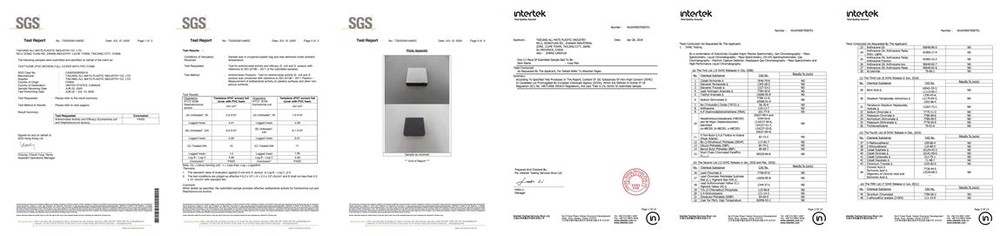
Our Certifications


Our Factory
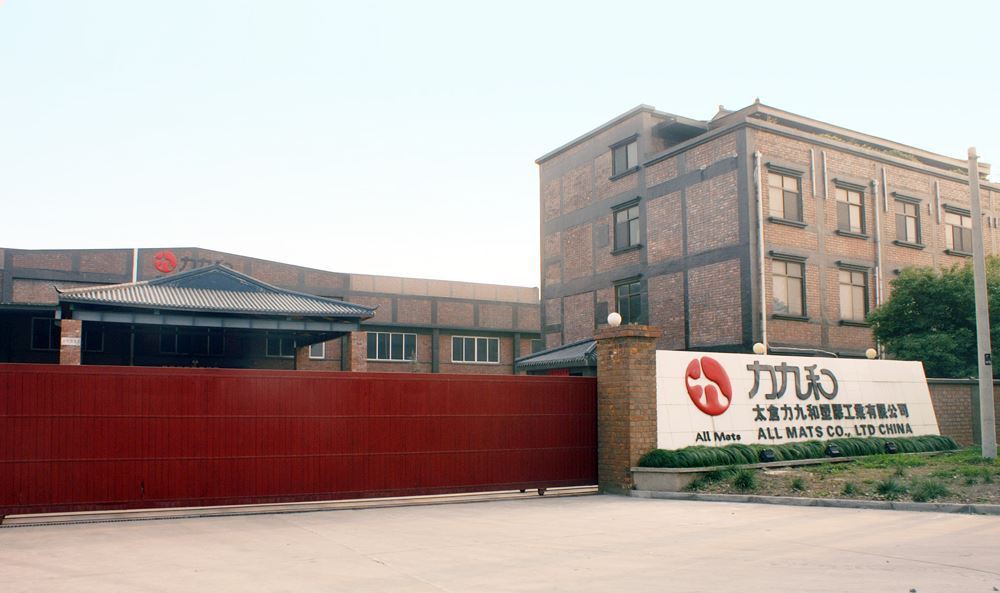
ALL MATS is dedicated to being an expert in solving various ground problems. Since its establishment in 1994, it has been the constant pursuit of the company to produce the floor mat products with superior performance and environmental protection. From anti fatigue mats for solving standing fatigue, to door mats for maintaining indoor cleanliness, and to sports mats for quietness and cushioning, all mats have the yearning for a better life.
Ultimate FAQ Guide to Anti-Slip Mat
We're well-known as one of the leading anti-slip mat manufacturers and suppliers in China. Please feel free to buy customized anti-slip mat at competitive price from our factory. For pricelist and quotation, contact us now.
