
Why Choose Us?
Reliable Product Quality
Since its establishment in 1994, it has been the constant pursuit of the company to produce the floor mat products with superior performance and environmental protection.
Professional Technical Team
ALL MATS is dedicated to being an expert in solving various ground problems. From anti fatigue mats for solving standing fatigue, to door mats for maintaining indoor cleanliness, and to sports mats for quietness and cushioning.
Wide Product Range
Along the way, ALL MATS concentrates on manufacturing. At present, it has 412 product patents, and its products are sold to 62 countries and regions.
Excellent Customer Service
We offer excellent customer service, including after-sales service and technical support, to ensure that their customers are satisfied.
What is Anti-Fatigue Mat?
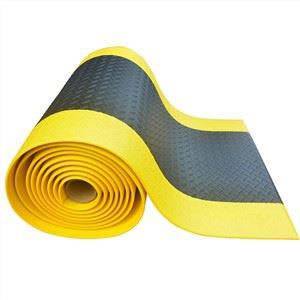
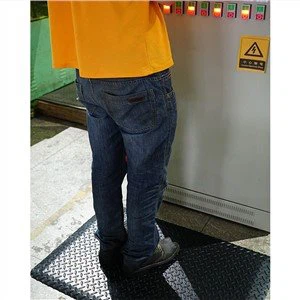
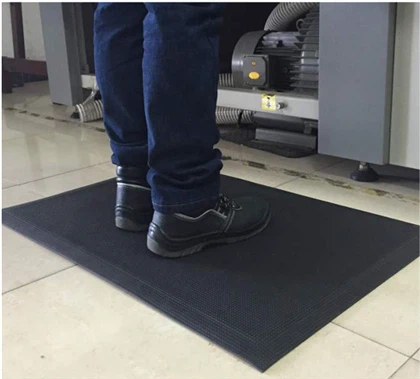
Anti-fatigue mats are ergonomic floor mats that minimise fatigue from prolonged standing on hard surfaces. Made typically from rubber or specialised foam, these mats provide a softer surface to stand on, offering cushioning and support to ease stress on the feet and legs. Anti-fatigue mats are often used in places where prolonged standing is inevitable, such as industrial sites, retail counters, kitchens, and offices with standing desks. This guide will detail what anti-fatigue mats are and the key factors to consider before choosing one.
-

Economic Anti-fatigue Mat
Cost effective anti-fatigue mat. Material: PVC. Color: Black, Grey, with yellow border. Thickness: Add to Inquiry -
Dual Anti-fatigue Mat
Two layer construction,exceptional performance. Material: PVC . Size: 0.6x0.9m / 0.9x1.5m . Add to Inquiry -
Durable Anti-fatigue Mat
Hardwearing surface provides comfort and grip. Material: PVC. Thickness: 9.5+/-1mm, 12.5+/-1mm, Add to Inquiry -
Assembly Line Anti-fatigue Mat
Long-wearing is ideal for high-traffic places. Material: PVC. Size: 0.6x18m/0.9x18m/1.2x18m. Add to Inquiry -
RBF Anti-fatigue Mat
100% eco-friendly and recyclable materials.. Lightweight, making it easier to move and transport.. Add to Inquiry -
ESD Anti-fatigue Mat
Static-dissipative anti-fatigue mat. Material: PVC . Size: Add to Inquiry -
Oil-resistant Mat
Resistant to oil, water, chemical spillage. Material: PVC. Size: 0.6x0.9m / 0.9x1.5m Add to Inquiry -
Modular Anit-fatigue Mat
Tile system interlocks for easy installation.. Made from premium, high-density PVC foam. Provide Add to Inquiry -
Check-in/Reception Anti-fatigue mat
Combines elegance with practicality. . Customer sizes, slip-resistant backing, and fire-rated Add to Inquiry -
Office Anti-fatigue Mat
Suitable for long standing places.. Relieve the pain and fatigue of standing for a long time.. Add to Inquiry -
Knee Mat
Ideal pad for kneeling jobs . Reduce knee pain and lower back stress caused by regular kneeling.. Add to Inquiry -
Anti-fatigue Shoe
Anti-Fatigue Matting you wear . It helps reduce pain and fatigue experienced when standing or Add to Inquiry






Advantages of Anti-Fatigue Mat
It Prevents Problems With Posture
It really is easier to keep a proper, straight posture without slouching when we stand, not sit. A comfortable anti-fatigue mat helps maintain the healthiest posture, thanks to the balance evenly spread on both your feet and the firm support for your legs and spine. Whether you are doing the dishes or cooking, you can now feel comfortable while standing properly and avoid having the rounded shoulders.
It Prevents All The Bodily Aches
Standing on a floor without an comfort mat can lead to a pain across whole your body – from your feet to the top of your head. Aching soles, swollen ankles and calves, painful spine and neck… All of these can come solely from the fact you were standing on a bare floor. A comfortable anti-fatigue mat can prevent this pain by providing a soft yet solid support for your legs; by doing so, it erases part of the pressure that is put on your legs and the back needs less strength to stabilize your body in a standing position. You will experience a great relief around your neck and joints that are now safe from going painfully stiff.
It Stimulates Blood Circulation
While standing, your legs are kept straight and the blood flows better than if you were sitting with your knees constantly bent. If you additionally stand on an anti-fatigue floor mat, what happens is what we just described in the previous point. Less pressure is put on your legs and less effort is needed to keep you standing. Thanks to this, your muscles and veins are relaxed. No more swollen, pulsing calves after long hours in the kitchen. With an anti-fatigue mat beneath your feet, these problems now belong to the past.
It Improves General Comfort Of Work
You can list all the benefits one by one or you can just say that an anti-fatigue mat simply improves how you feel while working at home. It is safe and soft, comfortable and pleasant to stay on. It minimizes the risk of all the unpleasant consequences for your health and comfort. The working in a standing position, regardless of what you do, won’t equal pain, tension and discomfort anymore. From now on, doing the dishes or cooking will be a breeze. And when you are done with it, you can proceed without the feeling of an overwhelming tiredness.
It Improves Productivity
If you do a little bit of research on benefits of anti fatigue mats, you won’t miss all the scientific studies that were conducted to investigate the actual effects of these mats on the human health. They will also tell you how introducing the mats in a workplace drastically increases the productivity of workers. Nothing strange about it. The anti fatigue mat remove the tension from all around the body, prevent pains and allow to work more comfortably. Less discomfort means less pain and that makes the workers quicker and better do their job.
Material of Anti-Fatigue Mat
Carpet or Cloth
Let’s get one thing straight. Carpet and cloth are not good anti-fatigue matting options. It’s a common misconception that the soft surface of carpet or cloth mats reduce fatigue. While these materials are great for other purposes—Like keeping feet warm—The material itself doesn’t support the body well. Unlike the surface of a rubber cushioned mat, carpet and cloth options aren’t elastic. Elasticity is a material quality that combats fatigue. Carpet and cloth immediately flatten under the weight of your body, thereby failing to afford you the same support that something like a rubber cushion pad would.
Foam
Foam, as a material for matting, has a structure which contains many, many pockets of air. These pockets of air give the material a springy texture, lending you some of the support that your body needs. The pores within open-celled foam are connected, thus being a network of air pockets that creates a supportive surface. These cells are open to their environments—Which means that they will fill with whatever is around them. This might include air or water. Because of this open structure, reticulated foam is noticeably softer than its closed counterpart. Closed-cell foams feature air pockets that are not interconnected. Because its air pockets are not networked, closed-cell foam is impervious to penetration from its external elements.


Gel
Gel mats are made of a normally-dense, gel-like material encased in a shell. Gel mats offer great pain relief, but they tend to be a little softer and, therefore, less supportive to the body. Also, gel-filled ergo mats are usually more expensive, although some enthusiasts argue that they are worth the extra cost. Nonetheless, they’re ill-suited for industrial environments, where one sharp edge or one dropped tool could pierce the mat.
Vinyl
According to the Ullmann’s Encyclopedia of Industrial Chemistry, polyvinyl chloride (or PVC) is the world’s third most widely produced plastic. When used for anti-fatigue matting, PVC is considered an inexpensive and highly durable flooring option. Malleable, flexible, and supportive, closed-cell PVC foam mats possess great anti-fatiguing properties while being well suited to withstand harsh environments. Some PVC options are even grease and oil resistant, making them great anti-fatigue kitchen mats.
Rubber
Rubber is a highly functional option for ergo mats. Naturally, the material is incredibly elastic and shock-absorbing, making it the perfect surface for anti-fatigue matting. A large molecule that can be stretched to at least twice its original length and return to its original shape. In other words, rubber is the soft, flexible, and springy surface ideal for anti-fatigue floor mats. Also, because of a process called vulcanization—where virgin rubber is strengthened, or synthetic options are fabricated—rubber matting can be made into either softer or harder surfaces. This is an important attribute, especially when considering that the optimal degree of hardness of a rubber floor pad depends on how it’s being used. A softer cushioned mat is ideal for someone who remains stationary while standing. And a harder padded floor is better suited for someone who stands but also moves around.
Application of Anti-Fatigue Mat
Workplace Implementation
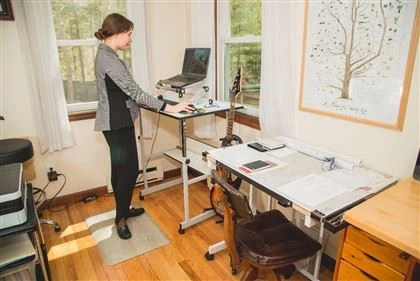
Anti-fatigue mats are an essential addition to any environment where employees spend long periods standing, such as standing desks/height adjustable desks. Standing has been shown to burn more calories than sitting while working in an office - A common reason as to why people invest in anti-fatigue mats.
These mats alleviate pressure on the feet, legs, and lower back, reducing fatigue and potential long-term health issues.
To properly implement anti-fatigue mats in the workplace, consider the following steps:
Choose a mat with the appropriate thickness and cushioning, avoiding mats that are either too soft or too hard.
Employers should provide employees with guidance on the correct usage of these mats.
Encourage employees to adjust their standing posture regularly and take breaks by walking around or sitting down.
Regularly clean and maintain the mats to ensure their longevity and optimal function.
Home Use Recommendations
With the increase in working from home, anti-fatigue mats can also be an essential addition to home offices or any area where long periods of standing are common. To effectively use an anti-fatigue mat at home, consider the following recommendations:
Place anti-fatigue mats in not only home office areas but also high-traffic areas like the kitchen or laundry room.
Periodically shift your standing position to avoid prolonged pressure on specific body areas.
Combine the use of anti-fatigue mats with ergonomic furniture, such as an adjustable chair, to provide a balanced mix of sitting and standing during the day.
Routinely clean the mat according to the manufacturer's instructions to maintain its effectiveness.
How Do Anti-Fatigue Mat Work?
Standing for long periods of time on a hard surface is not only uncomfortable but also causes physical fatigue. As the leg muscles become static overtime, the muscles have to work harder to sustain that upright position. This reduces blood flow which causes physical as well as mental strain and discomfort, which reduces productivity and overall morale. In this case the employees' heart has to work harder to pump blood which, in turn burns more energy. Aside from the strain on the heart, the leg muscles, particularly the ones around the knee are constantly tense. This will put additional pressure on the joints which can cause strain over long periods of time. If you then introduce an anti fatigue mat into this scenario the strain is greatly reduced. The subtle flexibility of the anti fatigue mat encourages the users to adjust their feet and legs which enables the muscles to contract and expand. This muscle movement however slight it may be, increases the blood flow and the amount of oxygen which reaches the heart. This greatly reduces fatigue and ensures that the brain remains sharp at all times.
How Thick Should Anti-Fatigue Mats Be?
Whilst you may think that the thicker the mat, the better it will be for you, this is not necessarily the case. Anti-Fatigue Mats are soft by design as this creates the slight instability needed for them to work, but if they are too soft, they won't provide the stability required for you to work safely whilst standing on them.
The recommended Anti-Fatigue Mats sizes are;
6mm - For very light-duty and occasional use only
9mm - This is the most popular thickness for Anti-Fatigue Mats and is suitable for most medium-duty and continuous-use applications
10mm to 12mm - Not as common as the 9mm versions, but should be considered for medium to heavy-duty use (depending on the model).
14mm - Heavy-duty mats are often thicker because they are made with more dense materials such as rubber or have protective vinyl layers over the foam centre to provide extra durability.
Types of Anti-Fatigue Mat
Foam Anti-fatigue Mats
It is often used in house areas like kitchens and bathrooms. These mats are the most common type, also very affordable. They offer a medium amount of comfort and fatigue relief.
Foam Rubber Anti-fatigue Mats
It's basically foam mats coated in rubber which makes them more durable. These mats are often used in workshops and other places where the harsh working environment can cause damage. Foam rubber mats often have higher foam density inside – that results in the mat being more suitable for long hours of standing without losing its composure.
Hard Rubber Anti-fatigue Mats
It's the sturdiest mats on the market. They are extremely durable but offer little less of anti-fatigue and ergonomic properties than the other mats. Mostly used in industrial compounds, hard rubber anti-fatigue mats are easy to clean and can withstand a hazardous environment that other mats cannot.
Gel-filled Anti-fatigue Mats
They are covered with harder exterior material so they could be more resistant. The best places to use them are households and offices as they are not suitable for harsh environments.
8 Things to Consider When Selecting Anti-Fatigue Standing Mats for Workplaces with Wet or Slippery Surfaces
01/
Material and Construction
When dealing with wet or slippery surfaces, the material and construction of the anti-fatigue standing mat are crucial. Opt for mats made from materials like rubber or vinyl, as they provide superior traction even when exposed to moisture. The construction should incorporate textured surfaces or patterns that enhance grip, preventing accidental slips and falls.
02/
Thickness and Cushioning
While combating the challenges of wet surfaces, don't overlook the fundamental purpose of an anti-fatigue mat – providing comfort. Choose mats with sufficient thickness and cushioning to relieve strain on the legs, back, and feet. Strike a balance between anti-fatigue properties and water resistance to ensure employees remain comfortable while staying safe.
03/
Non-Slip Backing
A non-slip backing on the mat is equally important as the top surface. This feature ensures that the mat stays securely in place, regardless of the surrounding wetness. Mats with a non-slip backing adhere well to the underlying floor, reducing the risk of accidents caused by shifting mats.
04/
Drainage Design
In areas with significant water exposure, drainage becomes a critical consideration. Some mats are equipped with perforations or raised patterns that facilitate the drainage of water away from the standing surface. This design prevents water accumulation, maintaining a dry and safe standing area.
05/
Durability
In industrial or high-traffic environments, durability is a key factor. Choose anti-fatigue mats that are specifically designed to withstand heavy usage and potential exposure to chemicals or oils. These mats offer a longer lifespan, ensuring continued performance and safety.
06/
Easy Maintenance
Workplaces with wet or slippery surfaces demand regular cleaning and maintenance. Opt for mats that are easy to clean and dry quickly. Mats made from durable, easy-to-clean materials simplify maintenance routines and ensure the longevity of the product.
07/
Size and Configuration
Consider the layout and dimensions of the workspace when selecting anti-fatigue mats. Modular mats can be customized to fit the available space while accommodating corners, edges, and irregular layouts. This flexibility ensures optimal coverage and protection even in areas prone to moisture.
08/
Water Resistance
The ability of the mat to repel water is an essential feature when selecting mats for wet environments. Look for mats explicitly labeled as water-resistant or waterproof. These mats are designed to withstand moisture, ensuring they remain effective and safe even in areas prone to spills or damp conditions.
Cleaning Tips For Your Anti-Fatigue Mats
Vacuum, Sweep And Dry-Mop Regularly
All your anti-fatigue floor mats should be vacuumed, swept, and dry-mopped regularly. Your janitors can handle this simple routine cleaning exercise several times a day depending on the foot traffic. Vacuuming and dry-mopping your anti-fatigue floor mats helps to clean out all dust and other soft dirt and debris from the amt surface. You should conduct this cleaning procedure very frequently depending on the foot traffic, the weather conditions, and the mat exposure. Needless to say, you should clean the mats more frequently when there is heavy foot traffic, wet weather conditions, and lots of exposure to dirtying elements.
Wet-Mop For A Thorough Cleanup
You should also organize thorough cleanup sessions every few days or weeks based on the aforementioned factors. A thorough cleanup session will involve wet-mopping of the anti-fatigue mat with a mild detergent or soap, such as baking soda, ivory soap, or mild dish soap. The recommended pH level of the wet-mopping detergent is between 4 and 9. If your anti-fatigue floor mats are stained or spotted, you should use recommended stain and spot removers to clean the mats.
Dry The Mat Completely
After wet-mopping the anti-fatigue floor mat, you should dry it completely before installing it back. You should always lay the mat flat to dry and you should never fold it when moving it but rather roll it compactly.
Clean The Surrounding Area
Before you put the anti-fatigue mat back in its original place, clean the area underneath and surrounding the mat as thoroughly as possible. Make sure there is no dust, grime, dirt, or any debris on the floor surface beneath and around the anti-fatigue floor mat.
Avoid Cleaning Mistakes
You should never scrub your anti-fatigue floor mats with a heavy abrasive brush or tool. Never use caustic chemicals, degreasers, and/or steam to clean your anti-fatigue floor mats. Never machine wash your anti-fatigue floor mats.
Factors that Affect an Anti-Fatigue Mats Lifespan
Size Of Operation
Size matters when it comes to anti-fatigue mats, and not just the size of the mat, the size of the employee and the weight of the work they are doing. For instance, a personal-sized stand up desk mat is designed to withstand the weight of one user at a time, for a limited number of hours per day. A twelve foot orthopedic runner that you might find in a commercial kitchen, medical back office, or laboratory, is designed to capacitate numerous workers at once over extended periods of time, as some of these scenarios obviously involve shift work, with workers transitioning in and out of work over a twenty-four hour period.
Length Of Use
Some anti-fatigue mats (like the aforementioned ortho mat) will be designed to withstand continuous pressure, while others will be designed for more occasional use. The difference will usually be found in the thickness of the mat or in the materials used to create it. Two popular anti-fatigue mat thicknesses are 5/8 inch and 7/8 inch. These varying thicknesses are different price points, and the reason is due to the amount of cushion needed for the job being done. For instance, a thicker mat is needed for workers who are operating heavier machinery or who are generally heavier in stature. You would likely not find a 7/8 inch thick anti-fatigue mat under the feet of a petite hair stylist in a salon. Rather, a 7/8 inch thick mat might be used in a mechanics or welding shop. These thicker mats can handle the pressure of the worker and the work equipment for long periods of time than a thinner rubber mat.
Proper Installation And Use.
As with any product, proper installation and use will mean the difference in whether the product performs to its desired life expectancy or not. For an anti-fatigue mat, you must be certain that you have selected the appropriate mat for the job. If you purchase a mat that is too small or of the incorrect thickness, the lifespan of your anti-fatigue mat could greatly decrease. Likewise, if you purchase a mat that is too thick or too large, it may not be a comfortable fit for your employees, or be cumbersome in their workspace and require replacement with a smaller, better fitting anti-fatigue mat.
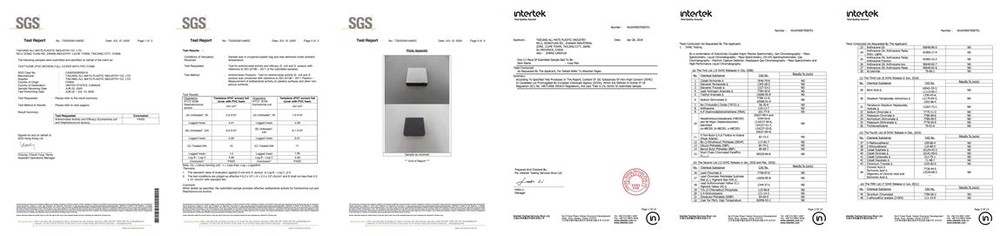
Our Certifications


Our Factory
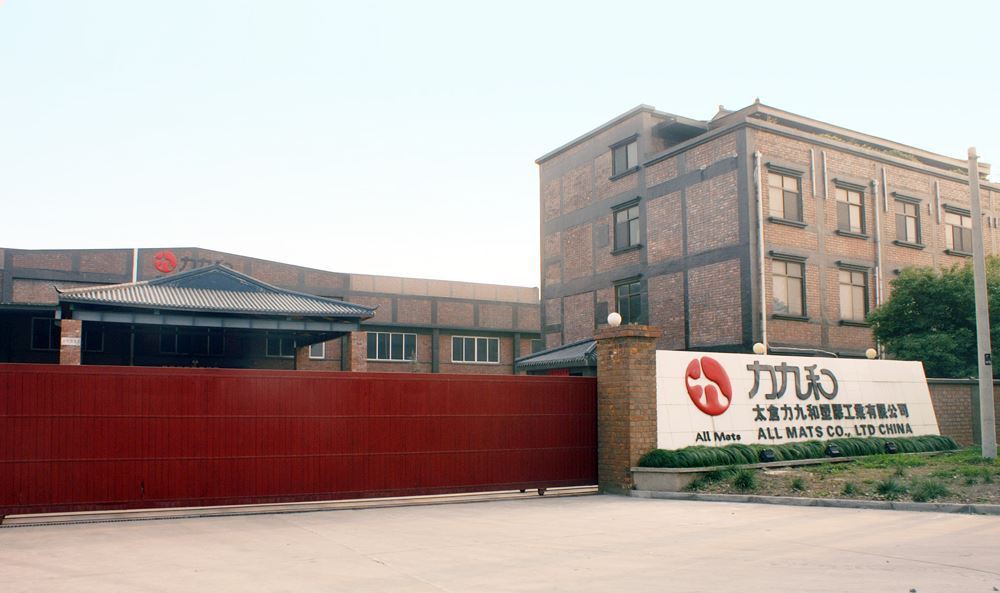
ALL MATS is dedicated to being an expert in solving various ground problems. Since its establishment in 1994, it has been the constant pursuit of the company to produce the floor mat products with superior performance and environmental protection. From anti fatigue mats for solving standing fatigue, to door mats for maintaining indoor cleanliness, and to sports mats for quietness and cushioning, all mats have the yearning for a better life.
Ultimate FAQ Guide to Anti-Fatigue Mat
We're well-known as one of the leading anti-fatigue mat manufacturers and suppliers in China. Please feel free to buy customized anti-fatigue mat at competitive price from our factory. For pricelist and quotation, contact us now.
